My Chemical Romance Genre . My chemical romance genre crossword clue nyt. Daily themed crossword is an intellectual word game with daily crossword answers. Creeper Graspop Metal Meeting 2022 from www.graspop.be Three cheers for sweet revenge. The official my chemical romance website. Daily themed crossword is an intellectual word game with daily crossword answers.
A Catalyst Increases The Rate Of A Chemical Reaction By
A Catalyst Increases The Rate Of A Chemical Reaction By. Catalyst is specific in its action. Decreasing the activation energy c.
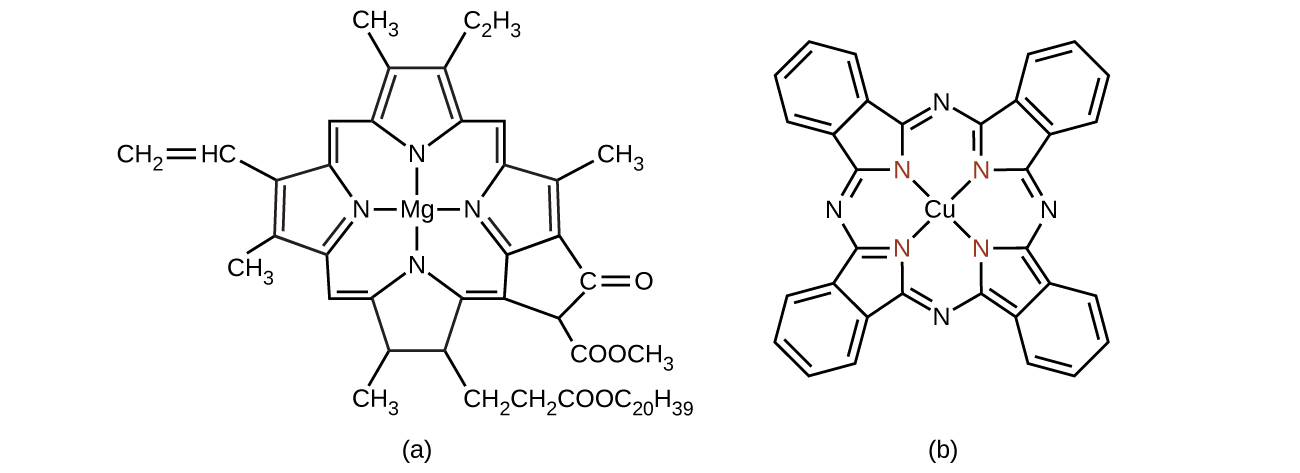
Coordination Chemistry of Transition Metals · Chemistry from philschatz.com
A catalyst is a substance that: A catalyst does not manipulate the temperature of any reaction. Lowering the potential energy of the reactants in the reaction.
Catalysts Typically Speed Up A Reaction By Reducing The Activation Energy.
Decreasing the activation energy c. A catalyst does not manipulate the temperature of any reaction. The final result and the overall thermodynamic are the same.
A Catalyst Increases The Rate Of A Reaction By:
Effect of catalyst on the rate of reaction: Increasing the value of rataaaea constant `(k_(f)andk_(b))` c. Providing an alternative reaction pathway with lower activation energy.
Catalysts Typically Speed Up A Reaction By Reducing.
When a catalyst increases the rate of chemical reaction, the rate constant. 2kclo3 → 2kcl + 3o2. Increasing the actvation energy of a reaction b.
Yes, Lowering The Activation Energy Makes The Reaction Easily Proceed Even In A Faster Way.
If the activation energy is lowered, more reactants can cross that barrier easily and so, the rate of reaction. A catalyst increases the rate of a chemical reaction by a. A catalyst increases the rate of reaction in a slightly unconventional way from other means of increasing reaction rate.
When Manganese Dioxide Is Added, Decomposition Takes Place At A Lower Temperature And A Much Faster Rate.
Increases the rate of a reaction. A catalyst is a substance which can alter the rate of a chemical reaction while itself remains chemically unchanged at the end of the reaction. Rate of the reverse reaction, the activation energy for the forward reaction, te value of the equilibrium constant, or the activation energy for the reverse reaction


Comments
Post a Comment