My Chemical Romance Genre . My chemical romance genre crossword clue nyt. Daily themed crossword is an intellectual word game with daily crossword answers. Creeper Graspop Metal Meeting 2022 from www.graspop.be Three cheers for sweet revenge. The official my chemical romance website. Daily themed crossword is an intellectual word game with daily crossword answers.
Chemical Composition Of Nectar. In turn, floral visitors are expected to alter floral nectar composition directly or indirectly through the introduction of external contaminants, such as pollen grains and microorganisms. View more articles from botanical gazette.view this.
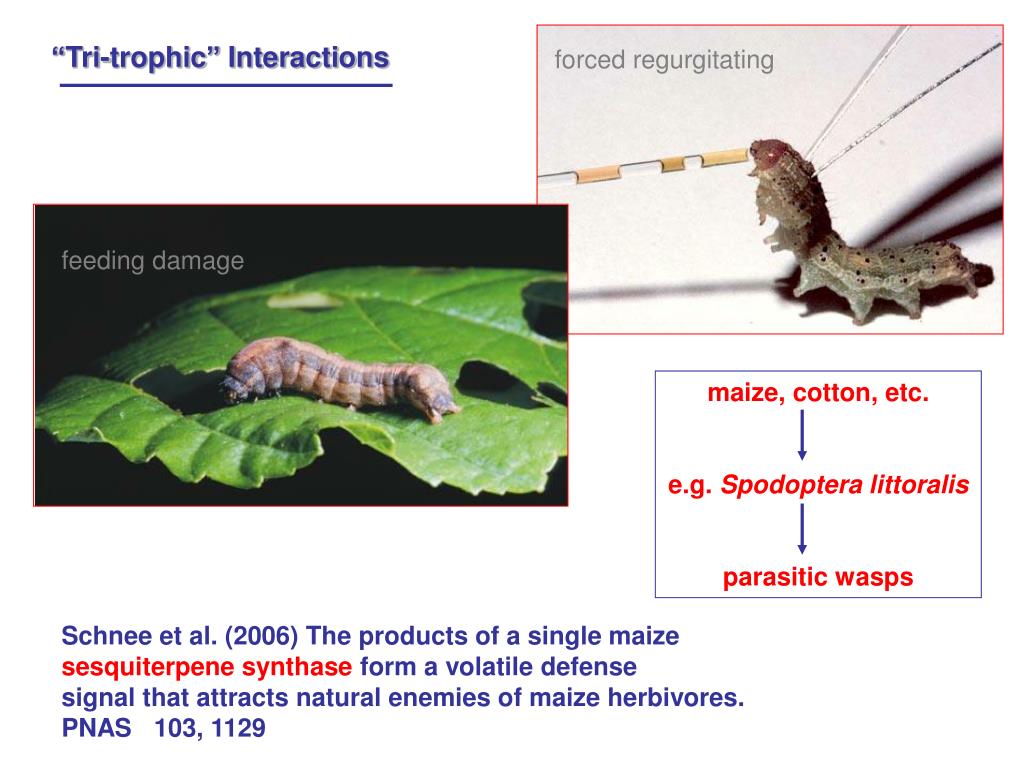
PPT Plant Volatiles Chemical Defense Mechanisms PowerPoint from www.slideserve.com
This book discusses several benefits of plant nectar. The chemical composition of nectar, which has its source in the phloem solution, has been determined for numerous plant taxa [1,2]. Also, the nectar is not sterile.
Nectar Variability Was Examined During The
Nectar is mainly a watery solution of the sugars fructose, glucose, and sucrose but also contains traces of proteins, salts, acids, and essential oils. The nectar can be supplemented with vitamin c (100 mg/100 g). This book discusses several benefits of plant nectar.
However, The Rapid, Green, And Facile Analytical.
The chemical composition, production dynamics and removal effects of nectar could not be related to the pollinator guild of these species. Flower length was correlated with nectary size and total volume of nectar secreted, suggesting that structural constraints may play a major role in the determina. Guava nectar is a popular beverage that can be prepared from puree, clarified juice, or concentrate with sugar syrup, citric acid, and other flavoring additives.
Abstract Floral Nectar Chemical Compositions Of 28 Species Native To Argentinian Patagonia Are Reported.
It is offered by plants to entice pollinators and to ensure pollination and thus sexual reproduction. Insects or avian pollinators certainly transfer microorganisms from flower to flower and, for this reason, a chemical variation in the nectar composition could alter the microflora present. Floral nectar is a sweet, aqueous secretion that mainly consists of sugars and to a lesser extent amino acids.
Flower Morphology, Nectar Features (Chemical Composition, Production Pattern, Removal Effects, And Standing Crop) And Floral Visitors Are Analysed In An Argentine Population Ofmandevilla Pentlandiana.
Floral nectar concentration and chemical composition of 26 plant species native to the temperate forest of southern south america are reported and the relationships with the flower type are evaluated. Floral nectar chemical compositions of 28 species native to argentinian patagonia suggest that nectar characteristics are not always as similar for plants pollinated by the same animal taxa as formerly thought. Floral nectar is the primary reward directly consumed by floral visitors and its chemical composition affects their behaviour and fidelity.
The Nectar Biome Would Be Also Worth Investigating, Since It Could Affect The Chemical Composition Of Nectar.
The chemical composition and calorie content of the product the quantity and quality of this beekeeping product will directly depend on a factor such as weather. View more articles from botanical gazette.view this. Sugar content varies from 3 to 80 percent, depending upon such factors as plant species and soil and air conditions.


Comments
Post a Comment